IK WORLD PROFILE
“Hardware + Software + Service”Integrated Solution Provider
+86 755 2320 0825
Dec. 11, 2025

As demand for large-screen audio-visual experiences continues to surge, the "smart upgrade" of old non-smart TVs has become a popular trend in the consumer electronics market. Among various upgrade solutions, TV sticks and TV boxes stand out for their cost-effectiveness, emerging as the two go-to options for home users and frequent travelers alike. Both devices can turn non-smart TVs into streaming hubs with basic functions like media streaming and mobile screen mirroring, but they differ significantly in applicable scenarios and performance. So which one best fits your needs?
I. Basic Product Comparison

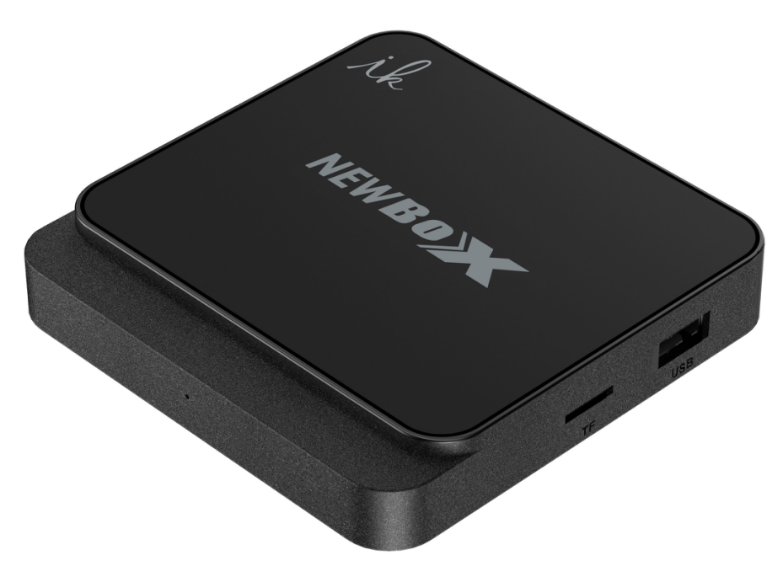
ØTV Stick: Ultra-compact and weighing under 100 grams, it plugs directly into a TV’s HDMI port without the need for extra cables. Setup is a breeze—just connect to WiFi and you’re ready to go, making it extremely portable.
ØTV Box: Designed in a boxy shape with a slightly larger footprint, it connects to TVs via an HDMI cable. Equipped with more powerful hardware and a rich selection of ports, it supports storage expansion and offers far greater functional scalability than TV sticks.
II. Key Differences


TV Stick: Lightweight, Portable and Budget-Friendly
1. Space-Saving & Ideal for On-the-Go Use
Tiny as a USB flash drive, it slots right into the TV’s HDMI port with no extra space required, making it perfect for compact living spaces such as apartments, dorm rooms and small homes. When traveling for business or leisure, you can simply slip it into your backpack or even pocket. Plug it into a hotel TV, and you’ll instantly have your own personal entertainment center, ditching the hassle of watching content on small mobile screens.
2. Cost-Effective for Basic Needs
Budget-priced, it lets you upgrade your old TV to a smart one without breaking the bank. It easily meets basic needs like binge-watching dramas, variety shows, short videos and screen-mirroring online courses, making it a great pick for budget-conscious users.
TV Box: Full-Featured & Perfect for Home Entertainment

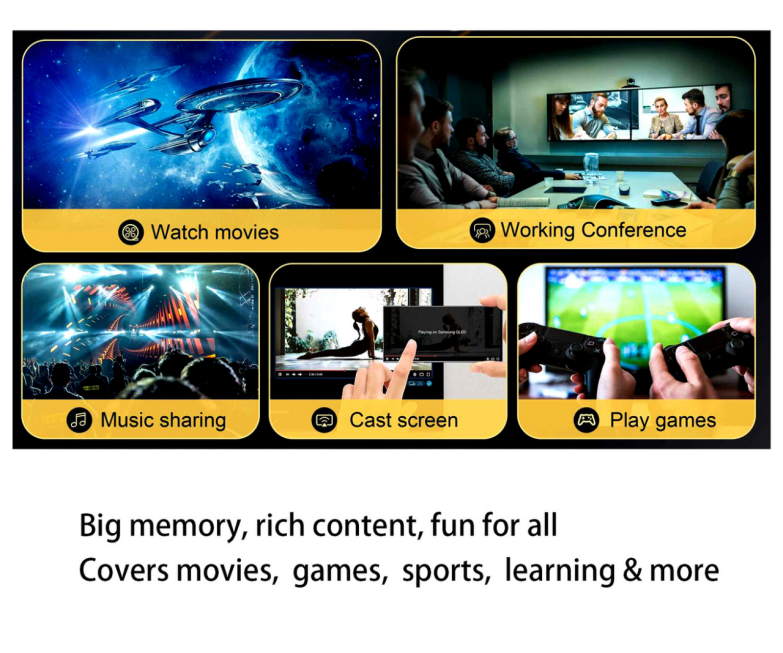
1. Rich Ports & High Expandability
Equipped with a variety of ports including USB, Ethernet, HDMI 2.1 and optical audio, it can seamlessly connect to external devices such as portable hard drives, home theater sound systems and game controllers. Whether you want to play local high-definition movies or enjoy big-screen gaming, it has you covered, satisfying the diverse entertainment needs of the whole family in one device.
2. Powerful Performance & Compatible with Home Theater Setups
Paired with a stable wired network connection, it delivers smooth, lag-free visuals with vivid and true-to-life color reproduction. It integrates seamlessly with home audio systems, projectors and other equipment to build an immersive home theater, bringing a cinema-like viewing experience right into your living room.
III. Which One Should You Choose? Pick Based on Your Needs

Choose a TV Stick if:
You rent an apartment, travel frequently or prioritize ultimate portability;
You only need to meet basic needs like video streaming and screen mirroring;
You’re on a tight budget and value cost-effectiveness.

Choose a TV Box if:
You use it in a fixed home setting and need a device for shared use by the whole family;
You plan to build a home theater or need to connect multiple external devices;
You have a sufficient budget and prioritize long-term stability and expandability.
There is no absolute winner between TV sticks and TV boxes—only the one that fits your needs best. Opt for a TV stick if you value portability and cost-effectiveness; go for a TV box if you prioritize performance and all-scenario usability. Choose based on your usage scenarios, budget and needs, and you can easily unlock big-screen excitement and enjoy an immersive audio-visual experience!